
Many anime fans believe the manga is always better than the anime because it is the purest version of the story the author wanted to tell. This is somewhat true because, at the end of the day, many popular anime series are adaptations of manga.
Translating the extensive narratives of manga into motion that presents the original work perfectly to the viewers is always a challenging task. Occasionally, however, an anime adaptation turns out even better than the manga through exceptional storytelling, music, color, movement and sound design.
Attack on Titan’s Intensity Hits New Heights Onscreen
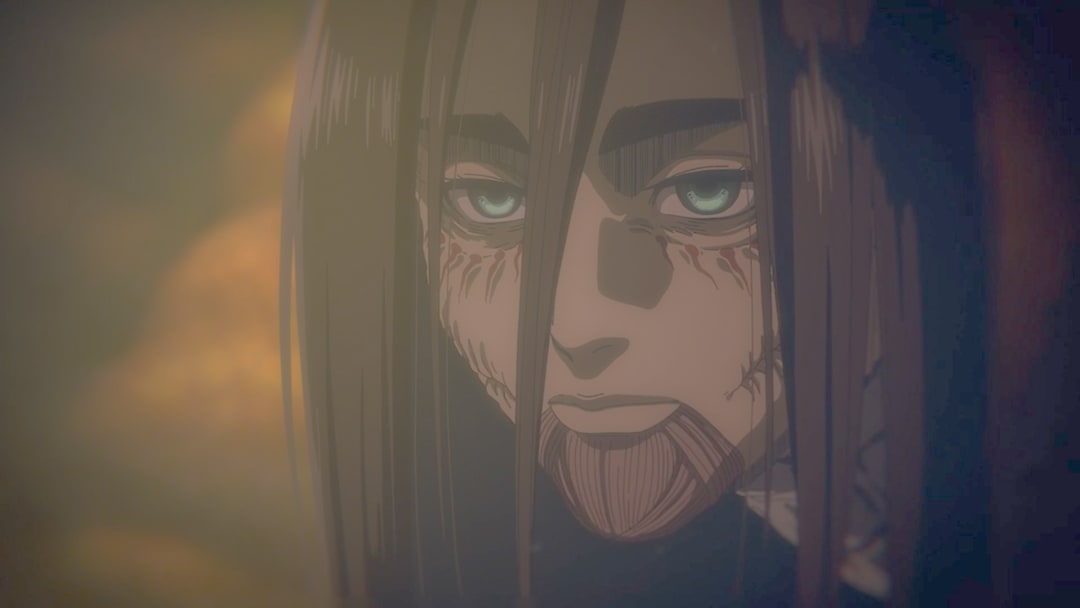
Attack on Titan ’s manga is already intense, but its anime adaptation enhances all the story’s elements and large-scale conflicts with motion and sound. The manga version of Attack on Titan started rough and made readers pause because of its complexity, and that’s where the anime earns its advantage by smoothing every visual edge into a polished, continuous sequence.
However, while Attack on Titan ’s anime adaptation is mostly accurate to the manga, MAPPA wasn’t afraid to deviate from the manga’s established storyline to sharpen its tensions and give the characters more depth. Moreover, the Attack on Titan anime also has better emotional delivery as its voice acting gives the characters a sense of desperation, while the music shows the escalating dread of the story.
Demon Slayer Enhances a Simple Story With Extraordinary Visuals
The Demon Slayer manga isn’t really complex, but with great character designs and warm relationships that add to its charm, it has an emotional rhythm that stands out. However, the straightforwardness of Demon Slayer can feel almost boring to some. The anime adaptation solves this problem by presenting the narrative in a way that the emotional directness starts feeling like a feature instead of a limitation.
Ufotable’s fluid fight choreography and carefully placed visual effects in the Demon Slayer anime strengthen the story. While the grounded pacing and emotional music make viewers engage deeply with the characters, giving the series room to breathe. As a result, Demon Slayer’s anime adaptation doesn’t feel like a reinvention, but a refined presentation of its manga.
Jujutsu Kaisen Blends Complex Combat With Deep Storylines
Jujutsu Kaisen ’s manga has a complex combat system that feels very confusing for many readers reading manga for the first time. However, this complexity is an integral part of the Jujutsu Kaisen manga and, as such, the challenge was how an adaptation would turn out. Translating the conceptual complexity of Jujutsu Kaisen into something comprehensible for viewers was hard, but MAPPA delivered everything fans could have hoped for and more.
The Jujutsu Kaisen anime surprisingly turned out even better than the manga version by showing all the complex and confusing parts as clear and dynamic movements. In the Jujutsu Kaisen manga, the characters’ overlapping abilities and layered techniques are hard to track, but the anime shows these elements through smooth movements, making viewers feel the depth of each fight. That’s how Jujutsu Kaisen got such an engaging anime fanbase, by carefully mapping visual actions and reactions so that there is a balance between action and clarity in a combat-heavy animation.
Fullmetal Alchemist: Brotherhood Is a 100% Faithful Adaptation
Since Fullmetal Alchemist is a manga known for long-form plotting and slow emotional pacing, its anime adaptation was definitely a challenge. The original Fullmetal Alchemist anime unfortunately ended up significantly deviating from the manga to keep up with its production schedule, making it clear a remake was sorely needed. In the end, the anime adaptation of Fullmetal Alchemist: Brotherhood was exactly what fans needed as it follows the source material closely while refining its pacing and ensuring that every arc gets its moment to shine.
For most fans today, the impact of both the Fullmetal Alchemist: Brotherhood manga and anime is almost the same as the anime presents the story with the same emotional depth that the manga has. Moreover , Fullmetal Alchemist: Brotherhood has a consistent pacing which makes sure nothing makes the anime lose its depth. The thematic delivery of Brotherhood is also very impressive, as novel ideas of morality, sacrifice and consequences are present throughout the performance and atmosphere in the anime.
Mob Psycho 100 Transforms Rough Sketches Into Expressive Visual Magic
The rough art style of Mob Psycho 100 and extraordinary storytelling instincts of ONE makes the manga feel genuine and deep. However, the anime version of Mob Psycho 100 takes the emotional depth of the manga as it is and transforms it into a fluid animation in which visual language is the expression and character development happens through visual shifts.
The exaggeration of movements and colors reflects the emotional states of Mob Psycho 100 characters, which helps in making the character growth more visible without losing the story’s core identity. The art styles, surreal visual metaphors and visual experiments in the series allow internal emotions to be externalized in a way that the manga version originally suggests.
Death Note Dials Up the Psychological Tension With Better Pacing
Internal conflict and intellectual confrontation are some of the core themes of Death Note, and the anime enhances them through its pacing. While the Death Note manga already has a strong narrative, the anime sharpens the psychological edge of the story through voice acting, strategic pauses and music.
The addition of audiovisual elements in the Death Note anime turn internal monologues of characters into dramatic sequences which intensify the mind games between them. As sound design is the core of Death Note , it results in intense psychological experience whenever something happens to a character. The tension increases without altering the original manga story, which makes the anime feel like watching a play.
JoJo’s Bizarre Adventure Breathes Life Into Manga’s Most Outrageous Masterpiece
JoJo’s Bizarre Adventure manga has an unconventional style with weird, janky-looking artwork, and its anime adaptation enhances the story through bold color palettes and exaggeration of movements. While the manga version of JoJo’s Bizarre Adventure is striking with static imagery, the anime version is fluid and theatrical, which gives each scene an unforgettable presence.
The visual language of JoJo’s Bizarre Adventure is dramatic with exaggerated poses, but that’s what makes it unique and visually impactful. The approach to making this anime adaptation bold strengthened the identity of the series instead of moderating it.
Monster’s Psychological Realism Is the Blueprint For Deliberate Pacing
Monster has a slow and deliberate storytelling, and the anime version does proper justice to it. While the Monster manga has a complex narrative, the anime makes sure to allow the scenes to unfold with minimal interruptions so that it creates a sense of tension for viewers.
The atmosphere of Monster is the strength of its anime as it makes the narrative more interesting without altering its structure. The point where the Monster anime gets better than the manga is when subtle visual details and sound design give a grounded atmosphere to the anime. The realistic tone throughout the anime also gives it psychological weight, where decisions by each character carry weight that has an impact on the whole storyline.
One-Punch Man Elevates Satire With High-Intensity Action
The anime adaptation of One-Punch Man gives the satirical tone of the manga the high-intensity action sequences it deserves. The deadpan delivery of One-Punch Man characters creates expectations of prolonged conflict and then gives it scale only to have victories land as the perfect punchline.
The contrast between humor and conventional shonen tropes in One-Punch Man is what makes the entire anime better than manga. The exaggeration of effort and its outcomes highlights the absurdity of power escalation, making an anime adaptation of One-Punch Man more engaging than its source material.
Vinland Saga’s Character Drama Hits Harder Onscreen
The anime adaptation of Vinland Saga shifts the narrative of the manga from dialogue-heavy introspection to an immersive atmosphere. Vinland Saga’s manga mostly has internal monologues and deliberate pacing which adds to its theme, and the anime adaptation amplifies these elements through environmental detail, visual stillness and controlled direction.
More importantly, Vinland Saga’s anime shows character psychology through performance via subtle expressions, voice acting and emotional transitions. Rather than making the anime fast-paced with strictly chronological storytelling, the adaptation leans more into showing ideological conflicts which feel slow and lived-in.
Para mais informações sobre animes e suas adaptações, visite Central Nerdverse e confira as novidades no CBR.